I’m the first to admit I usually don’t love movies from before the 1970s.
They’re usually hard to finish: Slow, uninteresting, they feel irrelevant. You can pretend you’re a sophisticated vintage film lover, but I won’t. That shit is usually boring!
Yet one film I recently enjoyed is The Sweet Smell of Success (1957). It’s a riveting look at a dimension of media history that’s been totally forgotten today:
The unparalleled power of top newspaper columnists during the golden age of the American newspaper.
In the film, Burt Lancaster plays such a columnist, modeled after the historical figure Walter Winchell (1897-1972).
You’ve probably heard of William Randolph Hearst but you’ve probably never heard of Winchell,
Winchell’s daily column was read by 50 million people per day from the 1920s into the 1960s.
His Sunday night radio broadcast was listened to by 20 million people* from the 1930s into the 1950s.*
Joe Rogan only gets 11 million downloads per episode.
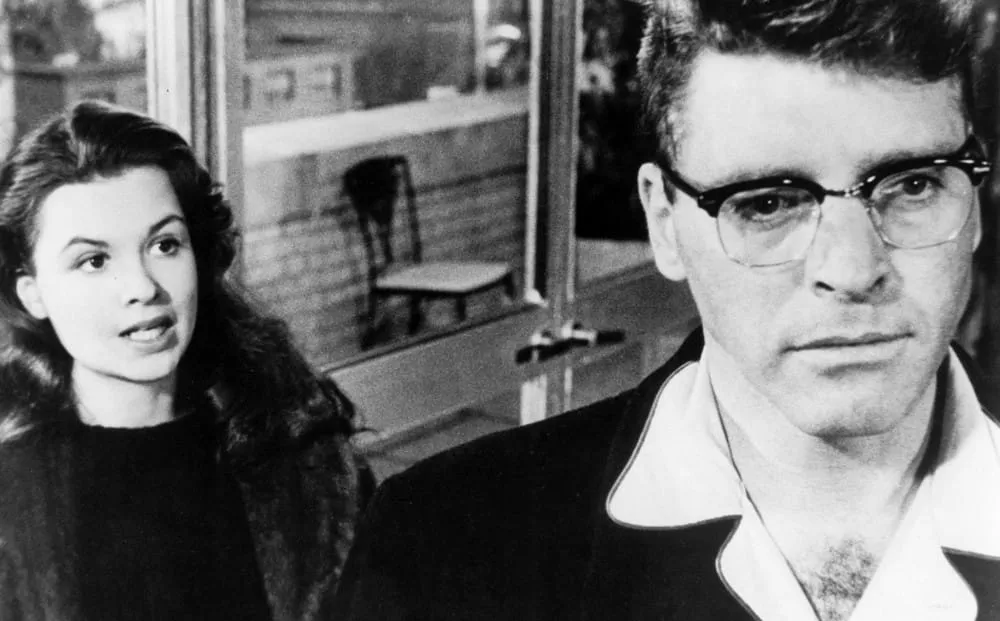
Susan Harrison and Burt Lancaster in The Sweet Smell of Success (1957)
Another reason I liked The Sweet Smell of Success is that it reveals the nature of media politics, which today is covered up underneath several layers of disingenuous, prosocial moralism.
The second main character is a publicist played by Tony Curtis. The publicist is paid by individuals and companies who want to get their names into popular columns (covertly; we’re not talking about “sponsored posts” with “brand partners”).
How do publicists get their clients into top columns? Can’t individuals and companies just pay off the columnists directly? At their core, publicists are more like mafiosi than the media professionals we call them today, or so this film suggests.
Publicists get their clients into columns because they feed columnists juicy gossip in exchange, or else they turn to any number of other underhanded tactics like blackmail and bribery. Today, the same ethical structure persists but it’s now absolutely implicit and unspoken.
The joy of this film is that, in the 1950s, apparently, this was all explicit. The publicist character is a spineless mercenary who wants money and power and nothing else—and he doesn’t hide or deny it.
The Sweet Smell of Success is a thrilling and illuminating film, which exemplifies one of the only good reasons to watch old movies: To see and hear and feel the relatively demystified version of a contemporary reality, in one of its previous, naive forms.
I found it Amazon Prime Video.
What’s your favorite movie from before 1970, which is actually great to watch? Hit reply. Don’t give me film school flicks you’re *supposed to like, *which are actually snoozefests. Give me old films you still find genuinely riveting today.

Advert from Thrasher Magazine.-