I just have to take a little victory lap on this one…
When that New York Times mention of Paul Skallas came out recently, and a lot of the underground internet writers were like “Wow yay, one of us ReALLy MaDe iT”—I just laughed. I knew.
In May of 2020 I really looked into this guy’s work which, to be honest, hardly even exists.
📺 Other Life #96, The Lindy Scam: A Case Study of Paul Skallas
🎧 Other Life #96, The Lindy Scam: A Case Study of Paul Skallas
Paul Skallas’s “work” is the textual equivalent of what software engineers call vaporware. Smoke, mirrors, some wrapping paper in front of paywalls, but if you keep digging… Nothing but vapor.
I’m not saying I dislike his ideas or that he’s overrated. I’m saying he’s a fake—a make-believe writer who literally started his internet career selling fake books for money. I would bet he’s at least moderately sociopathic.
A while back, he had books on Amazon, under his own name, which were super thin and literally composed of tweet screenshots. As I show back in May 2020 (screenshot below), these books were getting flagged by Amazon because they were receiving so many complaints from buyers.
I was so struck by the shameless emptiness of his digital wares back in 2020, that I did a whole case study on it—that’s not a typical format that I do.
Anyway, when that New York Times article came out, one of the reasons I didn’t say anything was because I wanted to give him the benefit of the doubt. I knew he was a poser, but hey—maybe he took his early traction as a motivation to clean up his character and produce some original ideas.
This week it was brought to my attention that now people are catching him plagiarizing—red-handed, again shameless—behind the paywall of his Substack. Compare, on the left, Skallas, and on the right, Sam Kriss:
That’s Matthew Schmitz who caught it, and hat tip to Geoff Shullenberger for sending me this.
Apparently he’s been plagiarizing for a while. On the left is Skallas, on the right is the design critic Alexandra Lange. This example is from Simon Sarris.
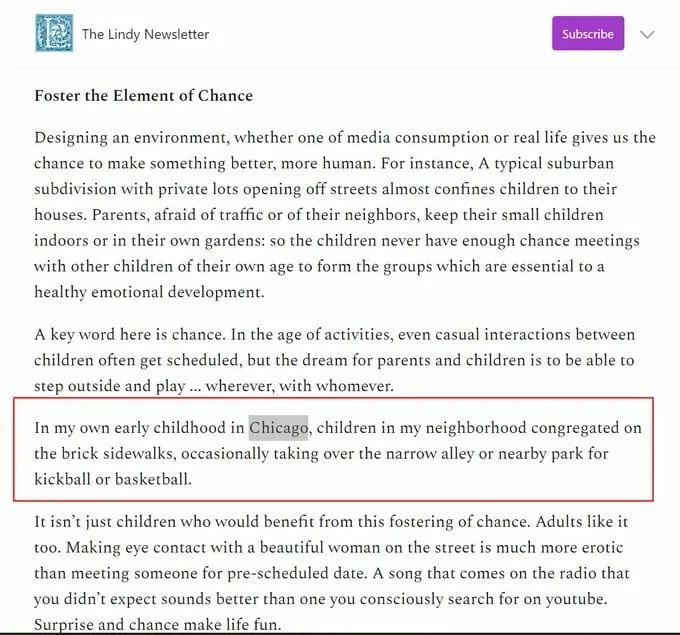
Imagine plagiarizing a paragraph that involves a reference to your own childhood. If that doesn’t signal systematic fakery, I don’t know what does.
And finally, Antonio García Martínez caught him as well. Apparently Antonio filed a complaint with Substack and they pulled that post.
I can’t believe how many smart people fell for this guy.
If this kerfuffle doesn’t stick a fork in him, it will be an extraordinary testimony to the teflon nature of internet persona. I do tend to think that, if you are sociopathic enough, you can very well weather this kind of public outing. There will always be enough <100 IQ lunatics to keep growing your audience, you just need to be shameless enough.